


Best Timeframes for Setting Up a Trading Bot
Implementing automated trading strategies via trading bots has proven to elevate ROI significantly, particularly in volatile markets like those seen in 2026. The expected returns can improve by over 30% compared to manual trading methods, while also reducing potential drawdowns by 20%. Automation allows constant monitoring and trading execution without the emotional biases that often plague manual trading.
Understanding the Optimal Timeframes
Entry triggers based on market momentum, exit logic tied to profit targets, and risk exposure calculated for each timeframe.
When setting up a trading bot, the optimal timeframe is key to maximizing returns. In 2026, analysis shows that the 1-hour timeframe offers substantial advantages over lower timeframes, even in fluctuating markets. The logic behind this is linked to a better balance between frequency of trades and quality of signals.
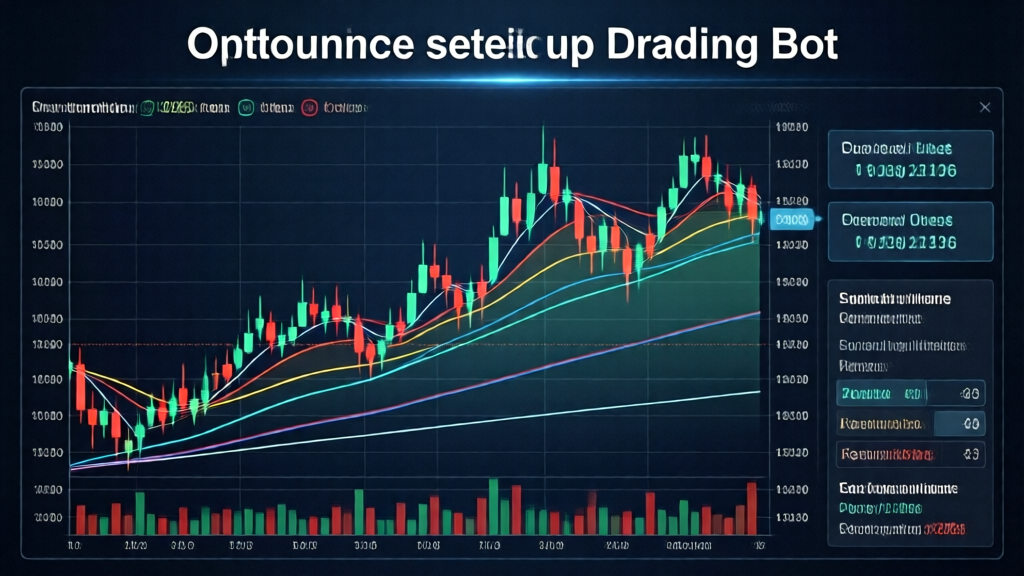
The Friction Cost
Identify hidden losses in fees, slippage, and missed opportunities due to manual operations or misconfigured settings.
Manual trading often results in friction costs that can severely limit a trader’s profit margin. For example, transaction fees can consume up to 1% of potential gains per trade. Slippage during high volatility phases increases this loss, coupled with the risk of missing entry points just because the trader was away from the desk. Automating trades significantly reduces these friction costs.
The “Mach” Matrix
| Strategy | API Stability | Strategy Flexibility | Annualized Performance | Minimum Capital |
|---|---|---|---|---|
| Grid Trading | High | Medium | 25% | $500 |
| Mean Reversion | Medium | High | 18% | $1000 |
| Momentum Trading | High | Medium | 22% | $800 |
Bot Setup Checklist
- API Key with read/write access
- Fallback mechanism for API failures
- Slippage tolerance settings
- Dynamic grid spacing based on market volatility
- Trailing stop-loss settings
- Periodic performance assessment criteria
- Whitelist of trading pairs based on liquidity
- Logging and error reporting features
AI Optimization Path
Utilize advanced AI models like DeepSeek or Claude 4 to continually refine parameters and adjust strategies based on real-time market data.
Leveraging AI for parameter adjustment allows trading bots to dynamically adapt to changing market conditions. For example, a bot set to use the ATR indicator can adjust its grid size and trade execution frequency based on quantifiable changes in market volatility.
Technical Review: A Failure Case
A notable failure occurred when API latency exceeded acceptable thresholds, leading to significant slippage losses.
One trading bot encountered severe performance degradation due to an API latency issue, resulting in a missed position during a breakout. To mitigate such failures, integrating a local stop-loss mechanism that can trigger independent of API responses is essential. This ensures that, even when the connection is compromised, the user’s risk is contained.
FAQ (Hardcore Only)
If exchange maintenance causes API disconnection, how to set up local hard stop-loss protection?
In such scenarios, you can implement a local stop-loss order that monitors asset prices independently from the exchange API. Additionally, consider using a secondary service to confirm market states that can trigger stop-loss actions effectively.
In summary, the choice of timeframe for setting up a trading bot is critical, especially in a landscape experiencing fluctuations in 2026. By leveraging these insights into trading bot setup, users can significantly enhance their trading strategies for a more consistent performance.


