Web3 Gaming Economies: Exploring the Future of Digital Play
With the rise of decentralized finance and the explosion of the gaming industry, it’s no surprise that a new paradigm is emerging—Web3 gaming economies. In 2024, the gaming sector generated over $200 billion worldwide, and as of this year, experts predict that 30% of all gamers will participate in Web3 environments by 2025. But what does this transition mean for players, developers, and even investors?
This article delves into the intricacies of Web3 gaming economies and how they are set to revolutionize the gaming landscape. By the end, you’ll understand the core concepts of blockchain technology in gaming, the key benefits of decentralized gaming economies, and the pros and cons from various stakeholder perspectives. So, let’s break it down!
The Core Concepts of Web3 Gaming Economies
Web3 gaming refers to the next phase of internet development focused on decentralization, driven by technologies like blockchain. But what exactly makes Web3 gaming economies different?
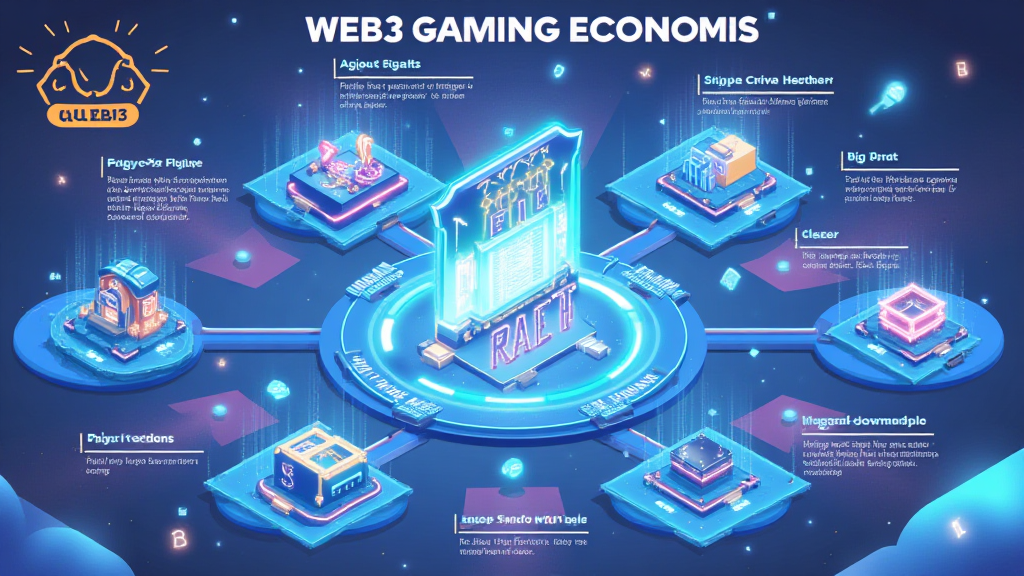
- Ownership: Players own their in-game assets as NFTs, providing true digital ownership.
- Interoperability: Assets can seamlessly move from one game to another.
- Decentralization: Game mechanics, economies, and governance are spread across a network rather than controlled by a single entity.
- Token Economies: Players earn tokens through gameplay, which can be converted into real-world currencies or used across platforms.
Benefits of Web3 Gaming Economies
Web3 gaming economies offer significant benefits over traditional gaming systems. Here are some key advantages:
- True Ownership of Assets: Players can sell or trade NFTs outside the game environment, putting real monetary value on virtual assets.
- Player Empowerment: Gamers have a voice in game development and governance through decentralized autonomous organizations (DAOs).
- Monetization Opportunities: Players can earn while they play, changing the traditional pay-to-play model.
- Lower Transaction Fees: Blockchain technology often provides lower fees and faster transactions compared to traditional online gaming platforms.
Challenges Facing Web3 Gaming Ecosystems
Despite the potential of Web3 gaming economies, there are challenges that developers and players must navigate:
- Security Risks: With increased ownership comes increased responsibilities, including securing private keys.
- Scalability: Blockchain networks need to support millions of transactions simultaneously without delays.
- Regulatory Uncertainty: Navigating the evolving landscape of laws regarding digital assets is paramount.
- User Adoption: Many players are still unfamiliar with blockchain technology, posing an onboarding challenge.
Real-World Examples of Successful Web3 Games
Several games have successfully implemented Web3 gaming economies, showcasing their potential:
- Axie Infinity: A game where players breed and battle creatures called Axies, fostering a robust economy with a player-to-player marketplace.
- The Sandbox: A virtual world where players can create, own, and monetize their gaming experiences using fungible and non-fungible tokens.
- Decentraland: A fully immersive world where players can buy, sell, and build on parcels of virtual land.
The Future of Web3 Gaming Economies in Vietnam
Looking at the local Southeast Asian market, Vietnam is emerging as a notable player in the Web3 gaming space. According to a recent report, over 50% of gamers in Vietnam are interested in blockchain games, representing a significant opportunity. With the Vietnamese government increasingly supportive of blockchain technology, we can expect to see many innovative projects launch in this region.
Furthermore, initiatives for educating local developers on blockchain can boost this sector even further. As players begin to engage with digital assets and decentralized games, we will witness a shift in gaming cultures, showcasing the blend of technology and entertainment.
Conclusion: The Road Ahead
Web3 gaming economies are poised to fundamentally change the way we engage with digital games. With increased ownership, the potential for new economic models, and significant growth opportunities, especially in burgeoning markets like Vietnam, the future appears bright.
As we move further into 2025, it’s essential for gamers, developers, and investors to understand the implications of these changes. Embracing the new landscape could lead to unprecedented opportunities–but only for those who are informed and prepared.
In summary, the world of Web3 gaming economies is filled with promise, innovation and challenges. Adapting to this new era will require our best efforts and open minds as we navigate towards a decentralized future.
For more about the evolving world of cryptocurrencies and gaming, visit coinmachinvestment. Stay informed and prepared as we witness this fascinating convergence of technology and entertainment.