Wrapped Tokens Explained: The Future of Decentralized Finance
With $4.1 billion lost to DeFi hacks in 2024, understanding the mechanisms behind digital assets is more crucial than ever. Wrapped tokens, a pioneering innovation in the blockchain realm, provide solutions to liquidity and accessibility issues within decentralized finance. In this extensive guide, we delve into wrapped tokens, exploring their functionality, advantages, potential drawbacks, and their significant role in the cryptocurrency market.
What Are Wrapped Tokens?
Wrapped tokens are digital assets that represent cryptocurrencies on a different blockchain. They enable interoperability, allowing users to leverage their assets across various platforms. For instance, Bitcoin (BTC) can be converted to Wrapped Bitcoin (WBTC), enabling its use on the Ethereum network. This process involves locking the original asset in a smart contract and issuing equivalent wrapped tokens which can be traded, used in decentralized applications, or leveraged in liquidity pools.
The Mechanics of Wrapping
Here’s how the wrapping process works, broken down simply:
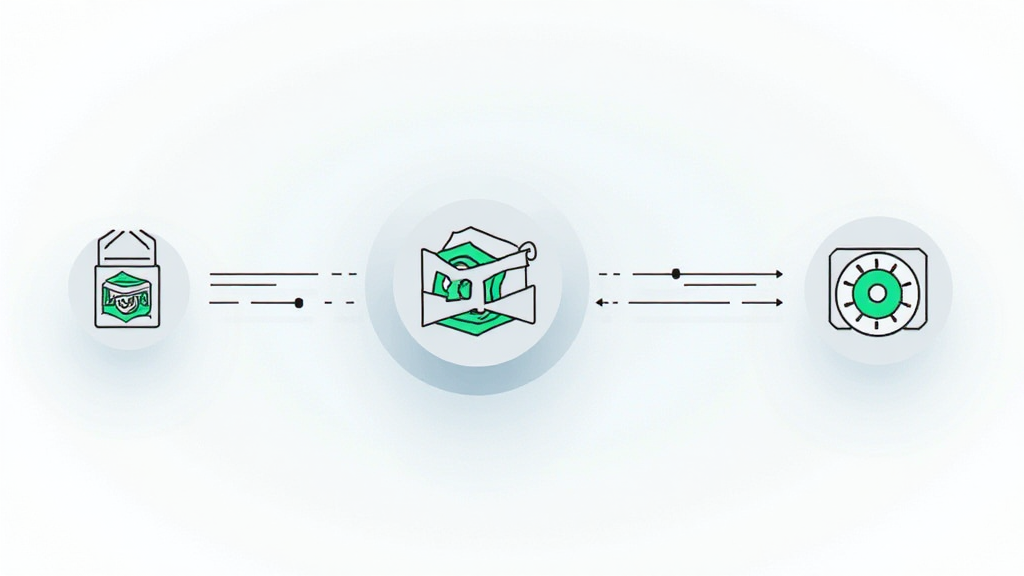
ong>Locking Mechanism: ong> The original token is locked in a digital vault. For every wrapped token created, an equivalent amount of the original token is securely stored.ong>Minting Process: ong> After the successful locking of assets, an equivalent amount of wrapped tokens is minted and transferred to the user’s wallet.ong>Unwrapping: ong> When users want to convert their wrapped tokens back to the original asset, they can ‘unwrap’ them. This process destroys the wrapped tokens and releases the locked assets.
This mechanism provides a seamless way to use various cryptocurrencies on blockchains where they wouldn’t typically function, like leveraging Bitcoin within Ethereum-based DeFi protocols.
Benefits of Wrapped Tokens
Wrapped tokens provide several advantages that enhance user experience and functionality:
ong>Interoperability: ong> They facilitate cross-chain transactions and increase accessibility.ong>Increased Liquidity: ong> Wrapped tokens allow for greater trading volume on decentralized exchanges by enabling more assets to be utilized in liquidity pools.ong>Access to DeFi: ong> Users can engage with DeFi protocols regardless of the blockchain their assets were originally on.ong>Security: ong> Smart contracts offer better security frameworks in managing tokenization and transactions.
These benefits play a significant role in driving growth within crypto universes, especially in fast-evolving markets like Vietnam, where crypto adoption is rapidly rising and user growth rates have surpassed 60% in the last year.
The Role of Wrapped Tokens in Decentralized Finance
Wrapped tokens are central to the decentralized finance sector, providing utilities that enhance the efficiency of digital transactions:
ong>Yield Farming: ong> Users can stake their wrapped tokens in liquidity pools to earn interest and rewards.ong>Cross-Chain Exchanges: ong> They enable users to trade assets on different blockchains without the need for traditional exchanges.ong>Savings Protocols: ong> Wrapped tokens allow users to earn interest by lending their assets on multiple platforms.
This functionality makes wrapped tokens foundational to the next wave of financial services and products within the DeFi ecosystem.
Challenges with Wrapped Tokens
While wrapped tokens offer numerous benefits, they are not without challenges:
ong>Centralization Risks: ong> Many wrapped tokens require a centralized entity to manage the locking mechanism, which can pose risks.ong>Smart Contract Vulnerabilities: ong> The security of wrapped tokens heavily relies on the underlying smart contracts, which, if compromised, can lead to significant financial losses.ong>Market Liquidity Issues: ong> The value of wrapped tokens depends on their liquidity. In periods of low liquidity, price discrepancies can occur.
Addressing these challenges is crucial for maintaining trust and security in the ecosystem.
Wrapping Up: The Future of Wrapped Tokens
In conclusion, wrapped tokens play a vital role in bridging different blockchains and enhancing the scope of decentralized finance. They represent a major step toward a more integrated and efficient digital currency ecosystem. As the landscape continues to evolve, innovations surrounding wrapped tokens will likely pave the way for more refined blockchain applications. With the right security measures and increased decentralization in the wrapping process, the future looks bright for wrapped tokens in shaping the next chapter of finance.