Understanding Crypto Tokenomics: Your Guide to Digital Asset Economics
Introduction
As of 2024, the cryptocurrency market has witnessed staggering losses, with approximately $4.1 billion lost to DeFi hacks alone. This loss underscores the importance of understanding the foundational components of cryptocurrency projects, specifically tokenomics. But what exactly does tokenomics entail, and why should investors pay attention? In this guide, we will comprehensively explore these concepts, providing crucial insights to those navigating the complex world of digital assets.
What is Tokenomics?
Tokenomics, a blend of “token” and “economics,” refers to the study of the economic factors that influence the value and functionality of a crypto token within its ecosystem. It’s crucial because it shapes investor expectations and influences market behavior. Think of it as the blueprint that governs how a token operates, its distribution, and its value proposition.
Components of Tokenomics
- Supply: The total number of tokens that will ever exist, typically divided into circulating supply and maximum supply.
- Demand: The interest and use of the token within its ecosystem, often influenced by partnerships and usability.
- Utility: The practical usage of the token within the project, like governance voting or transaction fees.
- Incentives: How the economic design encourages participation from users and investors.
Types of Tokens
Tokens can be classified into various categories based on their functionalities:
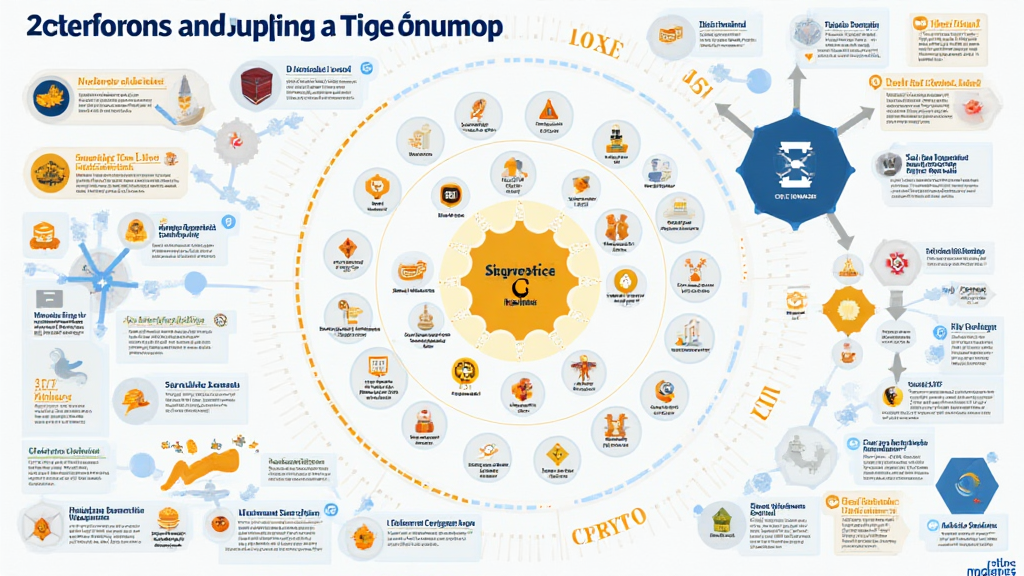
- Utility Tokens: Used to access a product or service within a blockchain ecosystem, such as Ethereum (ETH).
- Security Tokens: These are digital representations of traditional securities and are regulated, such as shares of a company.
- Stablecoins: These tokens are pegged to a stable asset like the US dollar to reduce volatility, such as USD Coin (USDC).
Understanding Token Distribution
Token distribution is a critical aspect of any project, affecting its long-term viability. It defines how tokens are allocated among founders, investors, and the community. A common method of distribution is through Initial Coin Offerings (ICOs), but projects can also use airdrops and loyalty rewards. The transparency in these distributions can build trust among investors.
Case Study: 2025 Potential Altcoins
Research shows that by 2025, altcoins with robust tokenomics could see significant growth. Projects like Avalanche (AVAX) and Polkadot (DOT) are already gaining traction. Their success can be attributed to a well-structured tokenomics model, ensuring continued interest and sustainability.
Evaluating Tokenomics: Factors to Consider
When assessing a project’s tokenomics, consider the following:
- Token Growth: Does the supply increase predictably, or is it subject to change? Understand the inflation rate.
- Market Demand: Is there a solid user base? Verify partnerships and integrations.
- Participation Incentives: Are there rewards for holding or using the token? Look for staking or governance features.
The Impact of Tokenomics on Cryptocurrency Prices
Tokenomics plays a pivotal role in determining the price of cryptocurrencies. As demand grows for a token with strong utility, its value is likely to rise. Contrastingly, poor distribution can lead to devaluation. Projects with clear, transparent tokenomics tend to build investor confidence, leading to price stability.
Example: Ethereum’s Success Through Tokenomics
Ethereum’s transition to a proof-of-stake model significantly impacted its economy. Not only did it reduce energy consumption, but the staking rewards created a new demand for ETH. Projects operating on the Ethereum network thrive due to its robust tokenomics.
Conclusion
Understanding crypto tokenomics is crucial for investors looking to navigate the dynamic landscape of digital currencies. It’s not just about buying and holding; it’s about evaluating the economic models that govern these projects. By analyzing supply, demand, utility, and incentives, you can make informed decisions about your investment portfolio.
In a fast-evolving market like Vietnam, where crypto user growth rates have skyrocketed, grasping these concepts can place you ahead of the curve. Always exercise caution, and remember—it’s not just financial advice; consult with local regulators to ensure compliance.
For more information on navigating the crypto landscape, visit hibt.com.