


Best Practices for Hardware Wallet Security
As the cryptocurrency market continues to flourish, securing digital assets has become more critical than ever. In 2024, the total loss from DeFi hacks reached a staggering
Understanding Hardware Wallets
Hardware wallets are physical devices designed to store your cryptocurrency keys securely. Like a bank vault for your digital assets, these wallets provide a solid layer of security against hacks and theft. Popular options include Ledger, Trezor, and KeepKey, among others. They store your private keys offline, which significantly reduces the risk of online theft.
Why Hardware Wallets Are Vital
- Security: Unlike software wallets, hardware wallets are not connected to the internet, minimizing potential hacking attempts.
- Control: Owning a hardware wallet means you hold your private keys, providing full control over your digital assets.
- Disaster Recovery: Most hardware wallets come with recovery options, ensuring you can access your funds even if the device is lost or damaged.
Essential Best Practices for Hardware Wallets
1. Choose a Reputable Manufacturer
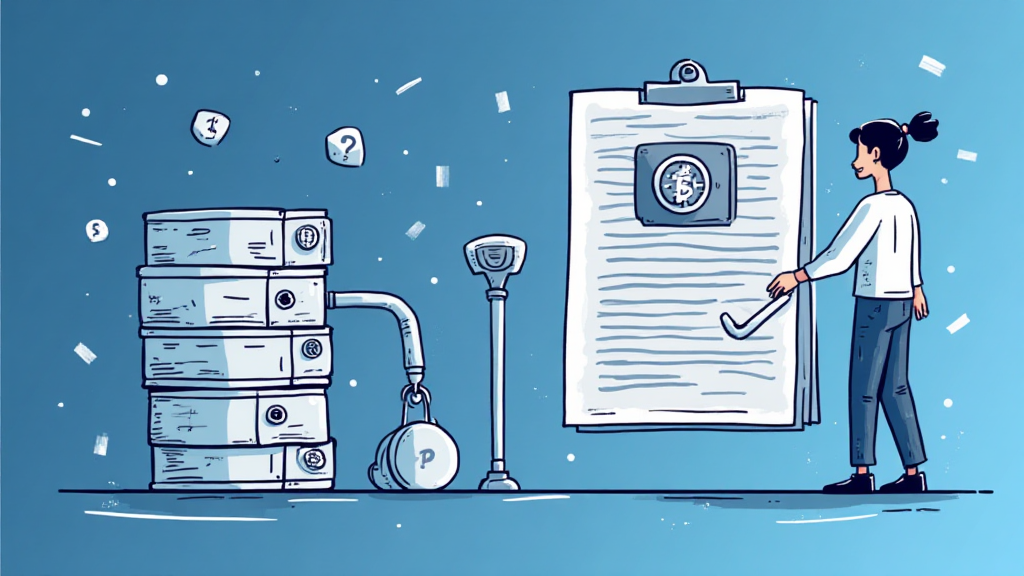
When selecting a hardware wallet, opt for well-reviewed and established brands like Ledger or Trezor. Ensure the brand adheres to the latest security standards, such as
2. Keep Firmware Updated
Regular updates to your hardware wallet’s firmware ensure you have the latest security patches. Manufacturers frequently update their devices to guard against newly discovered vulnerabilities.
3. Use Strong Passwords
Always use a strong, unique password to protect access to your hardware wallet. Avoid common phrases or easily guessable information. This is your first line of defense against unauthorized access.
4. Enable Two-Factor Authentication (2FA)
If your wallet provides a 2FA option, activate it. This adds an extra layer of security, requiring not just your password but also a second form of verification.
5. Secure Your Backup Seed Phrase
Upon setting up your hardware wallet, you will receive a recovery seed phrase. Store this phrase in a secure location, separate from your device. Do not store it online or in digital formats.
6. Be Aware of Phishing Attempts
Phishing attacks are common in the crypto space. Always ensure you access your wallet through official websites or applications. Double-check URLs and be wary of unsolicited emails asking for your wallet information.
7. Limit Device Exposure
Keep your hardware wallet in a safe place when not in use. The less exposure it has to potential threats, the better. Consider using a secure display case or a personal safe.
8. Know How to Restore Your Wallet
Familiarize yourself with the recovery process for your hardware wallet. Should anything happen to the device, knowing how to restore it from your seed phrase will ensure you don’t lose access to your assets.
Case Study: User Growth in Vietnam
As cryptocurrencies gain popularity globally, Vietnam has seen a significant increase in users. In 2024, the country recorded an impressive growth rate of
Future of Hardware Wallets
The demand for secure solutions in the crypto space is only expected to grow. As more users recognize the importance of securing their assets, hardware wallets will evolve by integrating advanced security features, such as biometric authentication and enhanced encryption methods.
Conclusion
In summary, securing your cryptocurrencies requires adherence to best practices for hardware wallets. By selecting reputable wallets, keeping firmware updated, and being aware of potential threats, you substantially enhance your security posture. Furthermore, with the rising trend of crypto adoption in regions like Vietnam, implementing these safeguards has never been more crucial. Prioritizing security will protect your investments in this ever-evolving digital landscape. For more insights on crypto investments, visit coinmachinvestment.
Author:


